
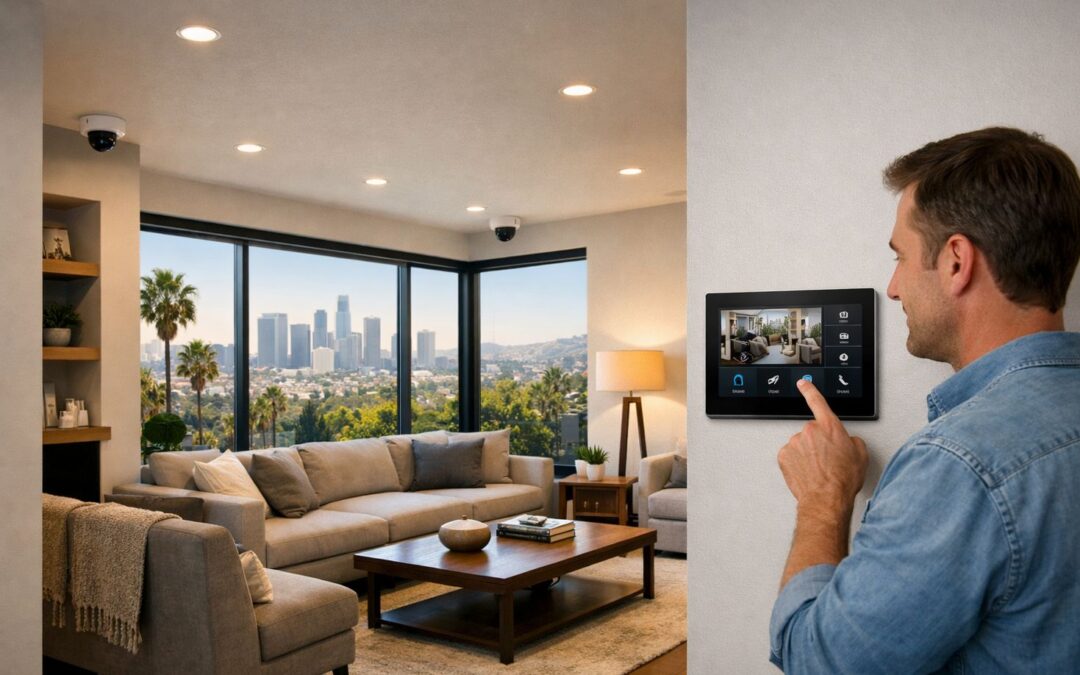
CCTV installation remains one of the most practical upgrades for homeowners who want a smarter, more connected approach to home security. For many households in Los Angeles, cameras are not just about recording activity—they are about checking the front door from an app, keeping an eye on deliveries, watching the driveway, and adding everyday peace of mind without disrupting daily routines.
Modern residential camera systems are designed to fit naturally into smart home living, with features like remote access, motion alerts, cloud or local recording, and clear visibility around the areas that matter most. Whether the priority is front entry monitoring, package protection, backyard coverage, or seeing who is coming and going, reliable camera placement can make a home feel more convenient as well as more secure.
This article looks at how CCTV systems fit today’s residential needs, including the main system types, planning considerations, installation steps, and key buying factors to review before choosing a setup for your home.
What CCTV Installation Includes Today
CCTV installation today usually means much more than simply mounting a few cameras. For most homeowners, the term covers the full process of planning camera locations, arranging power or cabling, setting up recording, connecting the system to a home network when needed, configuring mobile app access, and testing everything so it works reliably day to day.
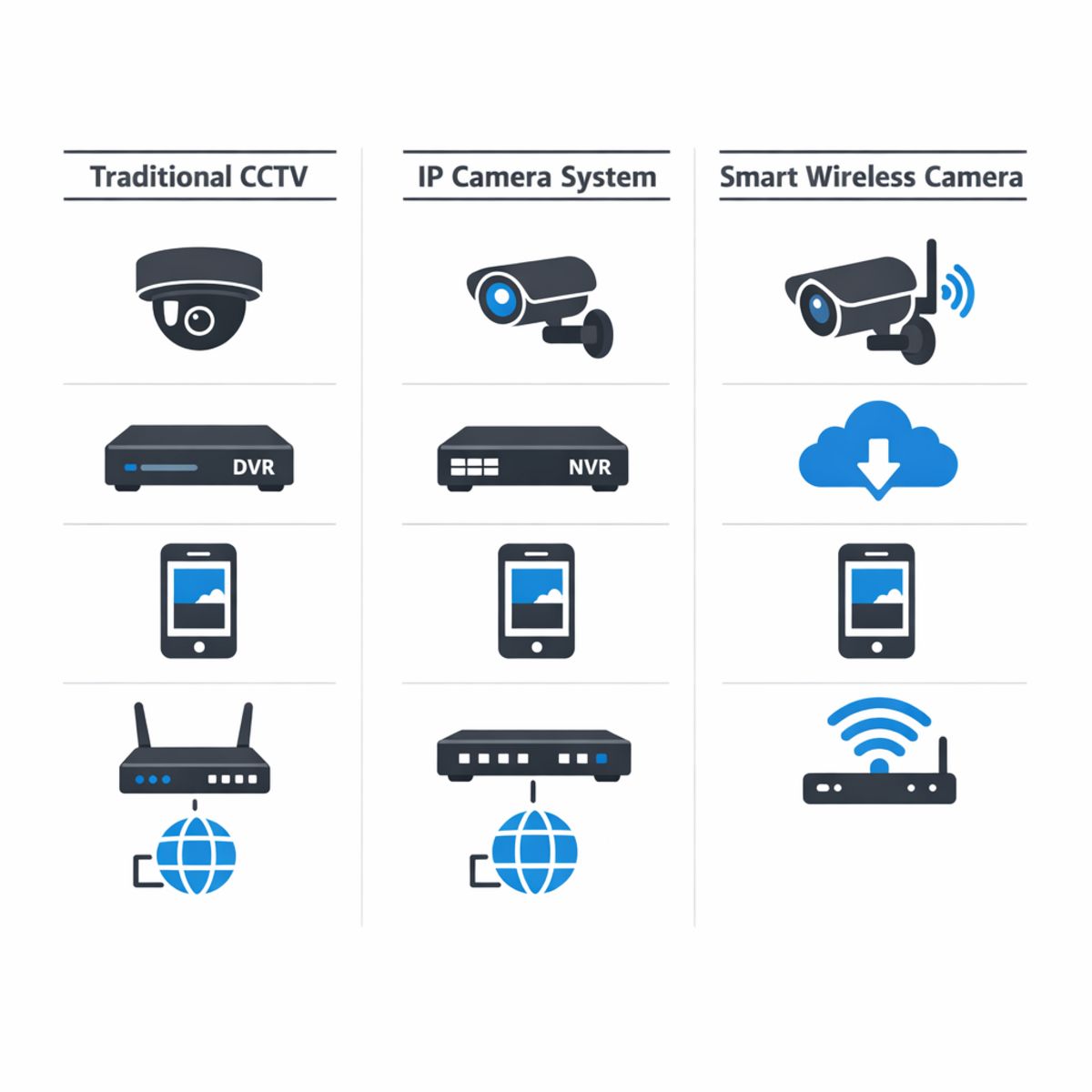
People still use “CCTV” broadly, even when they are actually choosing newer IP or smart camera systems. Traditional CCTV often referred to analog cameras connected to a recorder through dedicated cabling. Modern systems can include internet-connected cameras, remote viewing, motion alerts, cloud or local storage, and integration with other smart home features. If you are comparing options, a wireless smart security camera guide can help make the newer terms easier to understand.
Traditional CCTV vs Smart Camera Systems
The biggest difference is how the system sends, stores, and shares video. Older analog setups usually rely on direct wiring to a DVR. IP cameras send video over a network to an NVR or similar recorder. Smart wireless cameras may use Wi-Fi, app controls, and cloud services. Many residential installations now blend these categories, combining dependable surveillance with convenient phone access and alerts.
The Core Parts of a Complete Setup
A complete setup usually includes the cameras themselves, power planning, storage through a recorder or cloud account, network connectivity where applicable, mobile monitoring, and careful placement. In plain language, good CCTV installation is about making sure the cameras see the right areas, the video is saved properly, and the system is easy for the homeowner to use.
Key Benefits of a Well-Planned Camera System
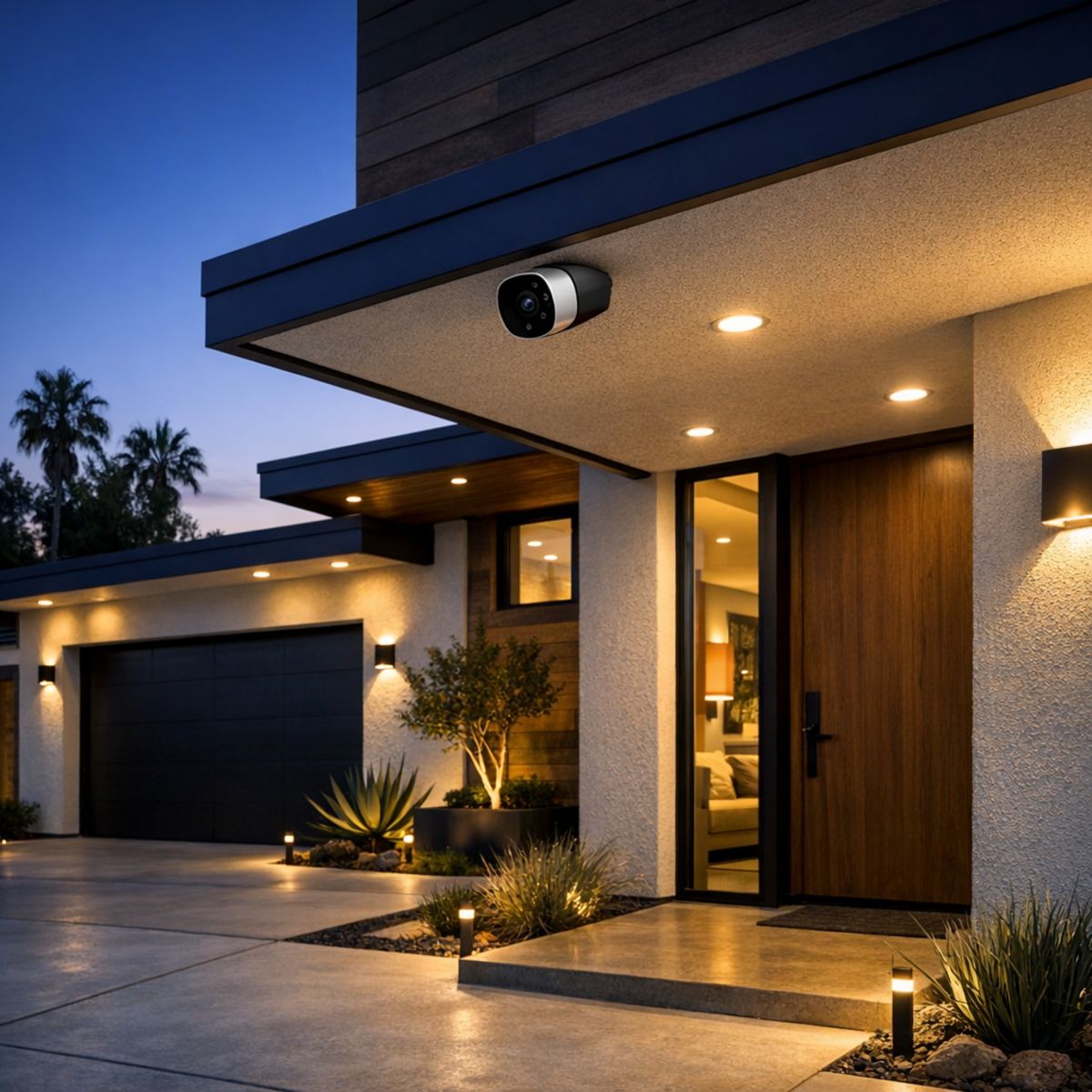
A well-designed camera system does more than record activity. It gives homeowners clearer visibility around the areas that matter most, from front entries and driveways to side yards, garages, and outdoor living spaces. For many Los Angeles properties, where layouts often include gates, long approaches, detached structures, or multiple access points, performance depends heavily on thoughtful placement and system design.
That is why professional planning matters. The right lens, angle, and mounting height can improve coverage, reduce blind spots, and make recorded footage more useful when you actually need it. Homeowners exploring security camera installation in Los Angeles are often looking for more than equipment—they want dependable day-to-day awareness and a system that fits how they live.
Coverage That Matches Real Daily Use
The best residential security camera installation plans account for real movement around the home. That includes family arrivals, guest access, package deliveries, vehicle activity, and backyard use. When cameras are positioned with those routines in mind, homeowners get better visibility where it counts and stronger deterrence without overcomplicating the system.
Smarter Security Through Integration
Modern camera systems also add convenience. Remote viewing, motion alerts, and recorded footage make it easier to check in from anywhere and respond quickly to unexpected activity. When integrated with lighting, gates, touch panels, or broader home automation, cameras become part of a more seamless security experience that feels proactive, polished, and easy to manage.
Wired, Wireless, or Wire-Free: Which Setup Fits Best?
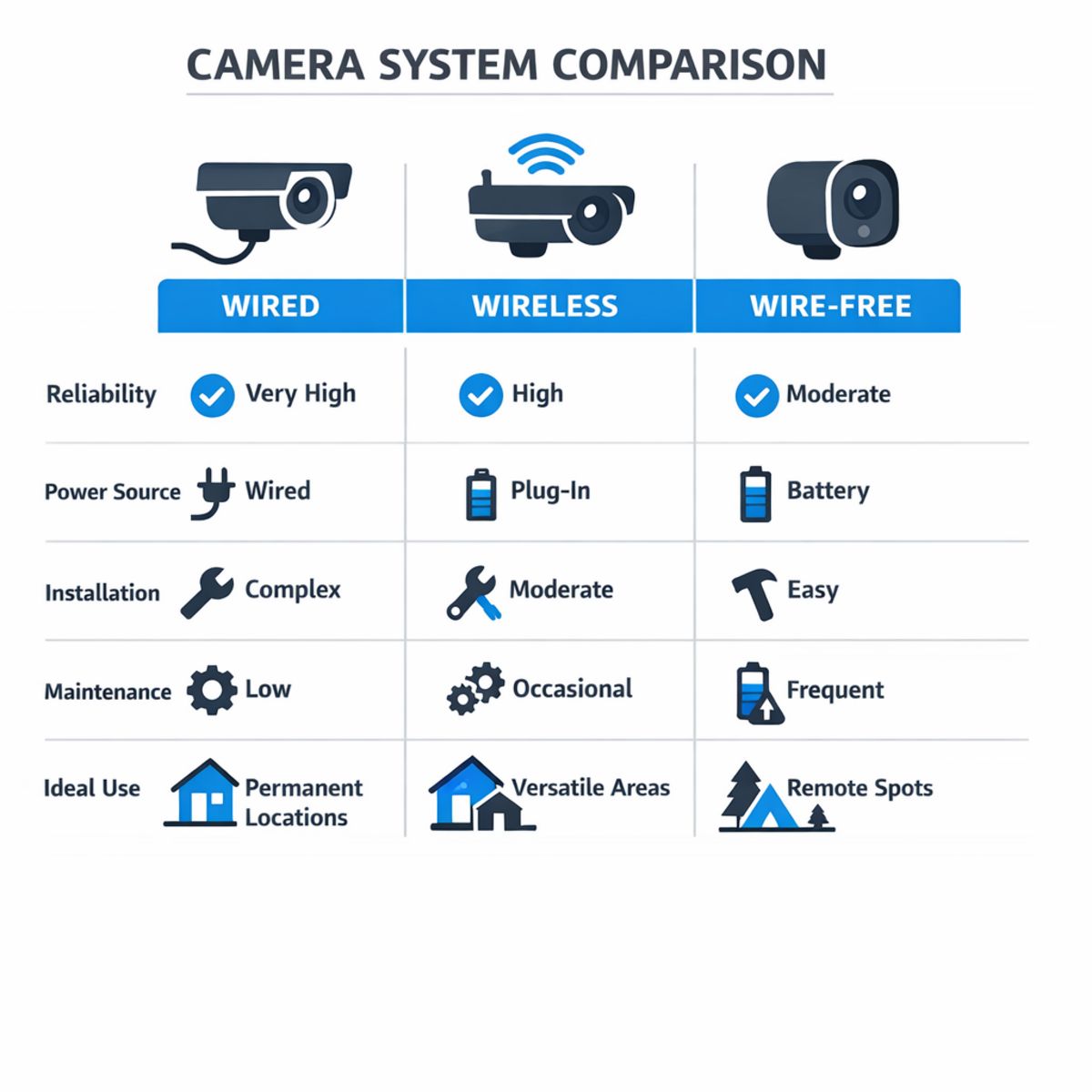
If you are comparing outdoor camera options, the best choice usually comes down to how you want to balance reliability, power, video performance, upkeep, and placement flexibility. Wired, wireless, and wire-free systems can all work well, but they fit different homes and priorities.
When Wired Cameras Make the Most Sense
Wired cameras are often the strongest fit for homeowners who want stable, long-term perimeter coverage. Because they use a physical connection for power and often for data as well, they are less dependent on battery life and typically more consistent for continuous recording. That makes them a practical option for main entry points, driveways, side yards, and other areas where dependable coverage matters most.
Where Wireless Smart Home Security Cameras Shine
Wireless smart home security cameras offer easier placement and convenient app-based features, which can make them appealing for many households. They can be a good fit when you want a cleaner installation or when running cable is less practical. The tradeoff is that performance depends heavily on network strength, signal quality, and smart placement. In larger homes or properties with weak coverage outdoors, a strong whole-home WiFi networking design installation can make a meaningful difference.
The Tradeoffs of Wire-Free Outdoor Security Cameras
Wire-free outdoor security cameras are usually the easiest to place because they do not need a nearby power cable. That flexibility is useful for gates, detached structures, temporary monitoring, or spots where wiring would be difficult. Still, convenience comes with limits. Battery-powered models need regular charging or battery replacement, and many rely on event-based recording rather than nonstop capture. For that reason, they are often better as supplemental coverage than as the only layer protecting the property.
For many homes, a hybrid setup makes the most sense: wired cameras in the most important zones, wireless cameras where smart features and easier placement help, and wire-free units for hard-to-reach areas. That approach keeps expectations realistic and helps match each camera type to the job it does best.
How a Professional CCTV Installation Is Planned
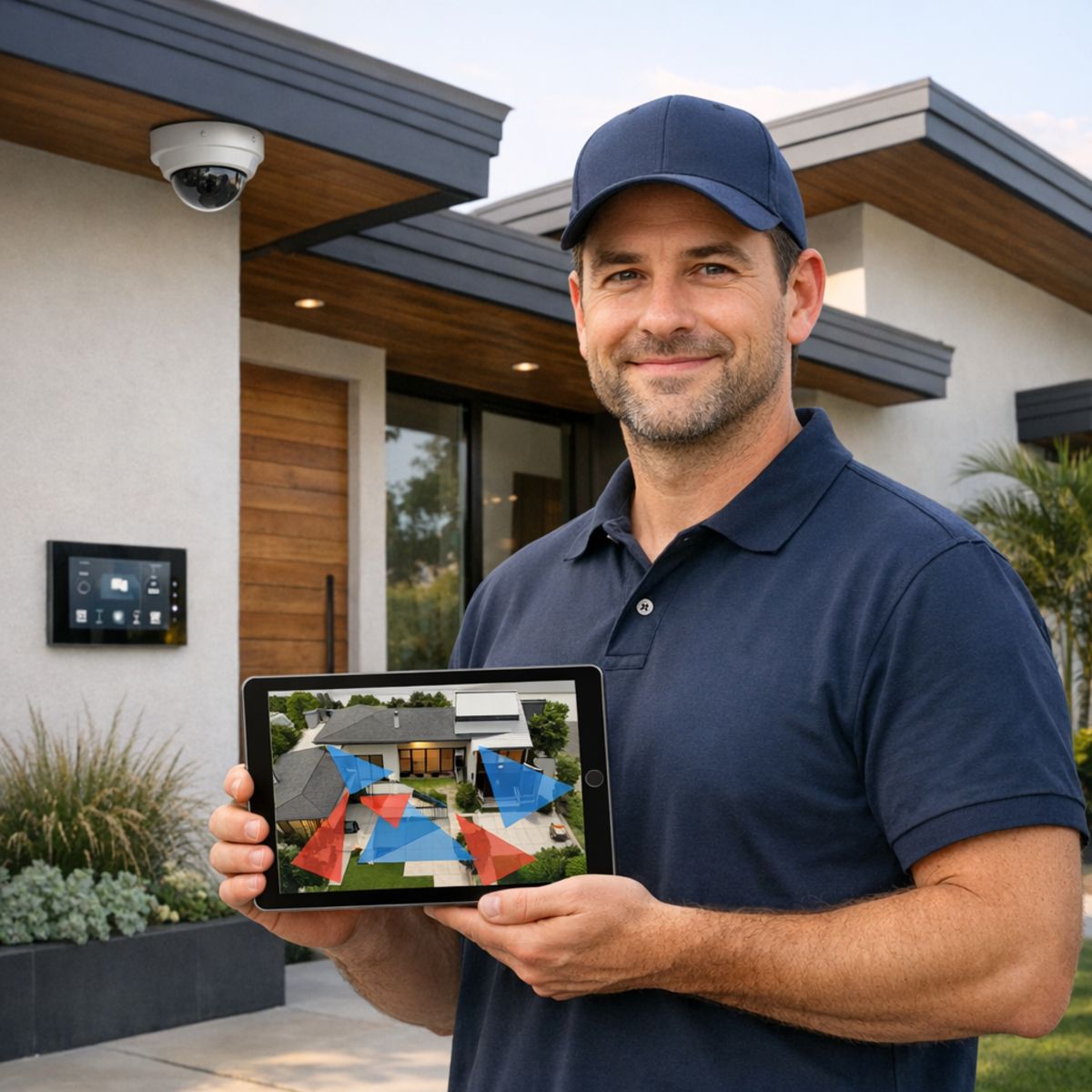
A reliable residential camera system starts long before any equipment is mounted. Professional planning begins with a careful review of the property, daily routines, and the areas that matter most. On some homes that may mean focusing on the front entry, driveway, garage, and side gate, while on others it may include wider backyard coverage, elevated approaches, or detached structures. In Los Angeles, layouts can vary significantly, from compact urban lots to larger hillside homes, so a one-size-fits-all approach rarely delivers the best result.
Site Assessment and Coverage Mapping
During a site assessment, installers evaluate entry points, sightlines, lighting conditions, and general privacy considerations. The goal is to reduce blind spots while capturing useful footage instead of random wide angles. Mounting height, lens direction, and surrounding features such as eaves, trees, fences, and reflective surfaces all affect image quality. Thoughtful coverage mapping also helps determine where cameras should overlap and where specialized solutions may be helpful, especially for properties exposed to sun, wind, or changing conditions. For homeowners comparing options, our weather resistant security cameras guide can help explain what to look for outdoors.
Power, Network, and Recording Decisions
Good planning also covers how the system will be powered, connected, and accessed after installation. Installers consider cable paths, network strength, recording preferences, remote viewing, and whether the system should allow for future expansion. These decisions affect day-to-day reliability just as much as camera placement does. A professionally designed plan makes it easier to get consistent footage, smoother app access, and a cleaner finished look. That is why many homeowners choose professional security camera installation experts who can tailor the design to the property instead of simply adding hardware where it fits.
How to Choose the Best Outdoor Security Camera System
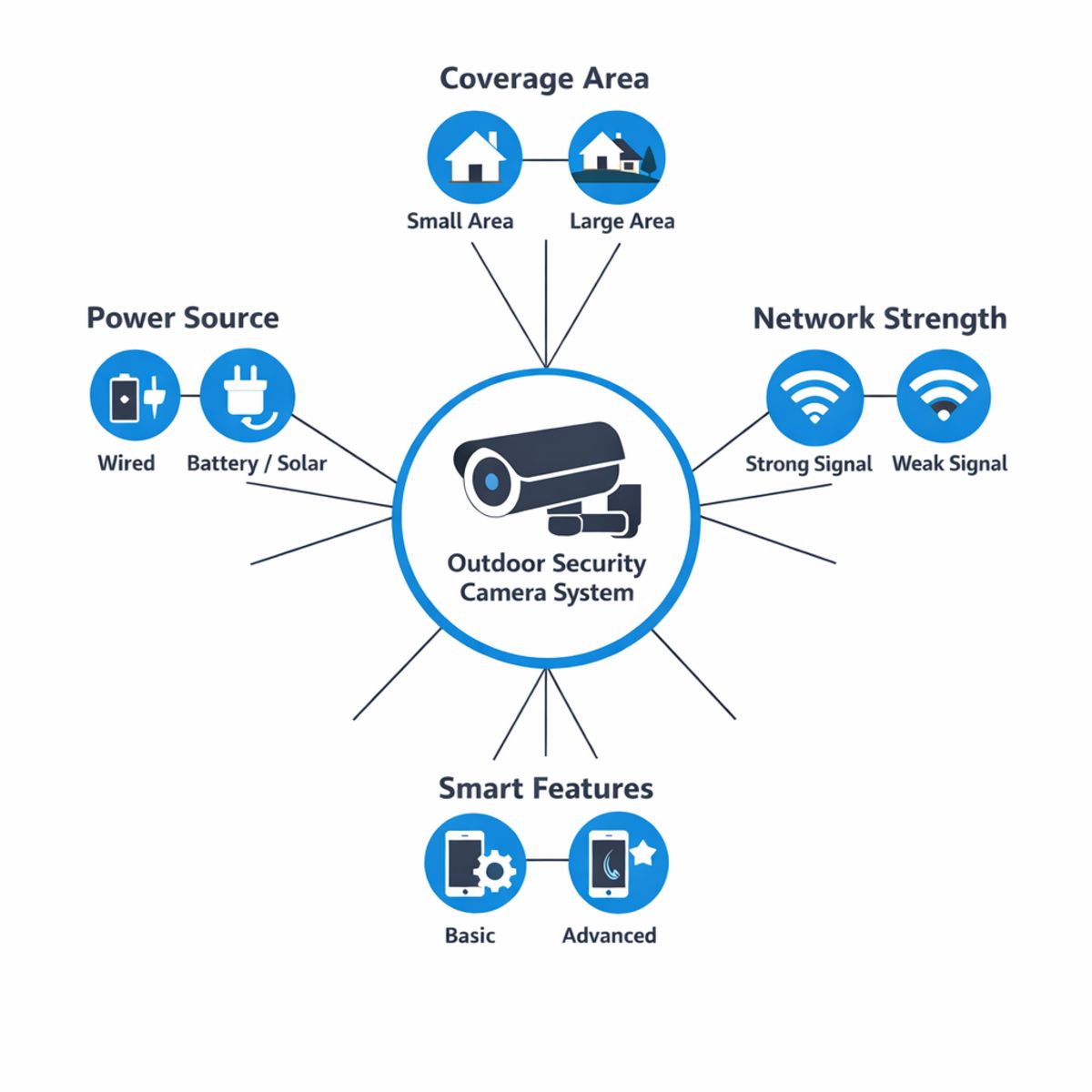
Choosing the best outdoor security camera system starts with your property layout, not just product specs. The right setup should cover the areas that matter most, perform well at night, and fit how you want to monitor your home day to day. If you are comparing options before booking a Los Angeles security camera installation service, use these steps to narrow your choices with confidence.
Step 1: Start With Coverage Priorities
List the zones you want to protect first: front door, driveway, side gate, backyard, garage, and package drop area. This helps you decide how many cameras you need, what viewing angles make sense, and whether wide-angle or more targeted placement will work better. Focus on the highest-risk entry points before adding extra coverage.
Step 2: Match Features to Daily Use
Next, compare camera types and features based on real use. Decide whether wired, wireless, or wire-free cameras fit your home best. Then check image quality, night vision, weather resistance, motion alerts, and two-way audio. Also review storage options, app controls, and smart home compatibility. A system that is easy to use every day is usually better than one with a long feature list you will never use.
Step 3: Confirm Power and Network Readiness
Even the best outdoor security camera system can underperform if power or connectivity is weak. Confirm whether each camera location has reliable power and strong WiFi, especially at the edges of the property. If signal strength is inconsistent, camera lag, missed alerts, and poor video uploads can become a problem. Installation quality and network stability are key to long-term reliability.
What Affects CCTV Installation Cost
CCTV installation cost depends more on system design than on a single flat rate. The number of cameras is one of the biggest factors, but it is only part of the picture. Property size, coverage goals, camera placement, and whether areas are easy or difficult to access can all change the scope of work.
The Biggest Pricing Variables
Projects often become more involved when mounting points are high, outdoor conditions require weather-ready equipment, or wiring must be routed through finished walls, long distances, or older structures. Retrofits can also take more labor than new installations, especially when existing infrastructure is limited or outdated.
Recording setup matters too, including storage needs, remote viewing, mobile access, and smart features that connect surveillance with broader home automation solutions in Encino. A professional design helps match the system to the property, which can reduce the risk of underbuying, overspending, or missing important coverage areas over the long term.
Los Angeles-Specific Considerations for Outdoor Camera Performance
In Los Angeles, outdoor camera performance depends on more than basic weatherproofing. Bright sun can create glare and washed-out footage, while long hours of heat exposure may affect long-term reliability if cameras are mounted in fully exposed spots. That is why placement under eaves, overhangs, or other shaded positions often makes a noticeable difference in both image quality and equipment lifespan.
Sun, Dust, and Placement Matter More Than Many Expect
Dust is another local factor, especially near busy streets, dry landscaping, or hillside properties where wind can carry debris onto lenses and housings. Even in a relatively mild climate, thoughtful placement still matters. A camera aimed across a bright driveway, reflective stucco wall, or west-facing yard may struggle more than one positioned for balanced light.
Property layouts across Los Angeles also vary widely, from larger lots and detached garages to gate access points and elevated hillside views. These details often call for more strategic coverage planning than a standard front-door setup. For homeowners comparing security camera solutions for Los Angeles, local experience helps ensure cameras are placed for clear visibility, dependable performance, and better coverage of the areas that matter most.
Frequently Asked Questions About CCTV Installation
Common Homeowner Questions
CCTV installation often raises practical questions about equipment, coverage, connectivity, and whether DIY or professional setup makes more sense. Here are clear, concise answers homeowners commonly look for.
What is included in a typical CCTV installation?
A typical setup includes cameras, mounting, power, recording or cloud setup, app connection, positioning for key entry points, and basic testing to confirm everything works properly.
Are wireless security cameras reliable enough for outdoor use?
Yes, many are reliable for outdoor use if they are weather-rated, installed in a strong signal area, and maintained with stable power or battery charging.
What is the difference between wireless and wire-free cameras?
Wireless cameras usually send video over WiFi but still need power. Wire-free cameras are typically battery-powered and connect without video or power cabling.
How many cameras does a typical home need?
Many homes start with two to four cameras covering the front door, driveway, back garden, and side access. Larger layouts may need more for full coverage.
Do security cameras need strong WiFi to work well?
If the system uses WiFi, yes, signal strength matters. Weak connections can affect live viewing, alerts, and recordings, especially for cameras placed far from the router.
Is professional installation worth it for a smart camera system?
For many homeowners, yes. Professional installation can improve camera placement, reduce blind spots, tidy cable runs, and help ensure the system is configured correctly from day one.
Ready to Plan a Smarter Security Camera Setup?
The right camera system depends on your property layout, the areas you want to cover, and how you want your security features to work with the rest of your smart home. Smart Home LA can help you sort through the options with a tailored recommendation that fits your goals without adding unnecessary complexity.
If you would like professional guidance on system design, camera placement, and installation, our team is here to help with a customized plan for your home.
Final Thoughts on Choosing the Right CCTV Installation
Choosing the right CCTV installation comes down to thoughtful planning. The strongest results usually start with clear coverage goals, the right system type for the property, dependable connectivity, and equipment that can handle outdoor conditions without compromising performance.
A Better System Starts With Better Planning
The best setup is rarely the one with the most features on paper. It is the one designed around the home, the layout, and the way the system will be used every day. When cameras, placement, and smart integration are planned well from the start, reliability and ease of use improve significantly. For homeowners comparing options, a well-designed CCTV installation offers more confidence, better visibility, and a cleaner long-term solution—especially when supported by local expertise in Los Angeles.