
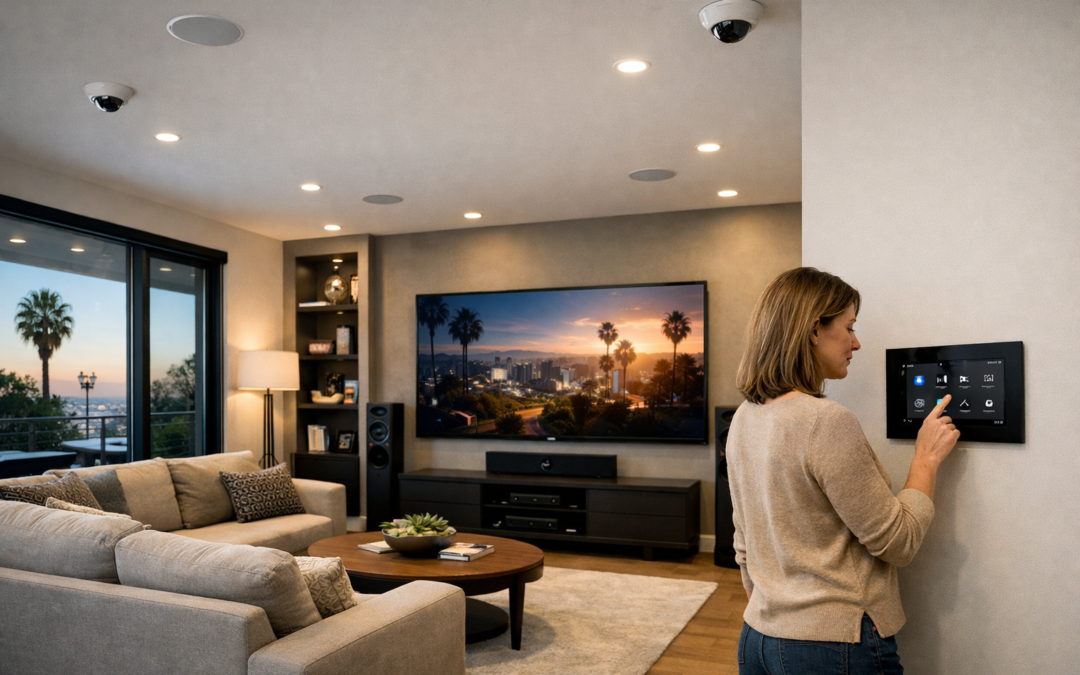
CCTV meaning is simple: CCTV stands for closed-circuit television. It describes a video camera system that sends footage to a limited set of screens, recorders, or devices instead of broadcasting it publicly. In plain terms, it is a private video monitoring system used to watch over a home, business, or specific area.
The term still matters because people commonly use “CCTV” as a catch-all phrase for security cameras, even when the system is much more modern than the original setup. Today, many home security systems use internet-connected cameras, mobile apps, cloud storage, and smart alerts, but the label CCTV is still widely understood and searched for.
In this guide, you will get a beginner-friendly but expert explanation of what CCTV means today, how traditional camera systems compare with smart connected options, and what to know about key components, benefits, costs, and setup choices before you decide what fits your property best.
What CCTV Really Means in Modern Security
CCTV stands for closed-circuit television, a term originally used to describe cameras that sent video to a private viewing system instead of broadcasting it publicly. In simple terms, CCTV is about monitoring a specific property, space, or entry point through a controlled video network. Today, many homeowners still use the term CCTV when talking about a residential security camera system, even though the technology has changed significantly.
In the analog era, CCTV cameras were usually hardwired to monitors and recording equipment on-site. That setup focused on limited access, with footage viewed only by authorized users. Modern systems can still follow that same core idea, but they often include digital features such as DVRs for traditional camera setups, NVRs for network-based recording, and cloud-connected storage with mobile app access. Because of that, cctv cameras now commonly refer to a broader range of solutions than the original definition suggests.
The Original Closed-Circuit Concept
The key idea behind closed-circuit monitoring is restricted viewing. Video feeds go only to selected screens, recorders, or authorized devices, helping property owners keep watch over important areas without making the footage publicly available.
How Homeowners Use the Term Today
For homeowners, CCTV can include cameras at front doors, driveways, side yards, garages, and even interior common areas. Whether the system is wired, wireless, app-enabled, or professionally installed, people often group it all under the CCTV label. If you are comparing options, professional security camera installation services can help match the right technology to your home and security goals.
How a CCTV or Security Camera System Works
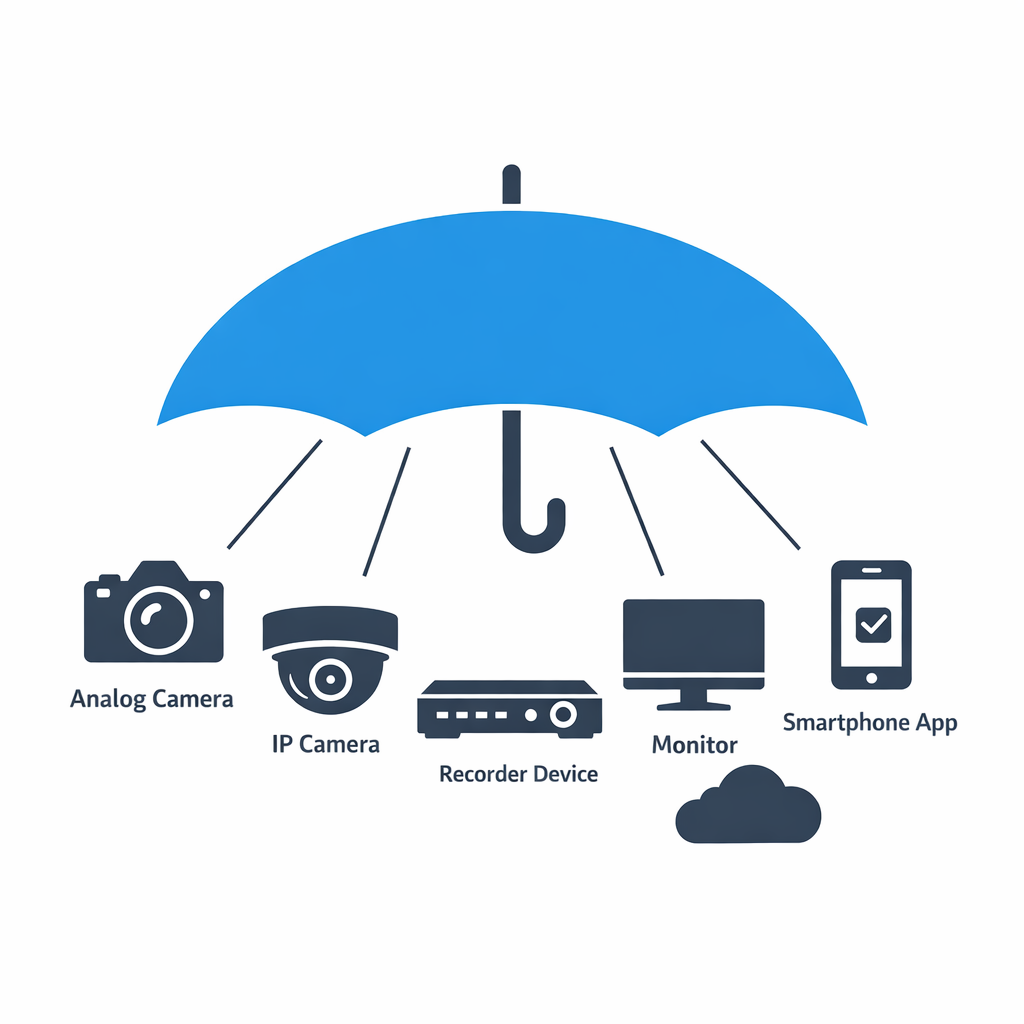
A modern home security camera system follows a simple path: a camera captures video, sends that footage to a recorder or cloud platform, and then lets you view it live or play it back later. Whether you are comparing traditional CCTV options or newer smart home security cameras, the goal is the same: clear video, reliable storage, and easy access when you need it.
Capture, Record, and View
It starts at the camera. The lens captures the scene, while the image sensor turns what it sees into digital video. Some cameras connect with Ethernet cabling, some use coax in older CCTV setups, and some work as a wireless smart security camera over your home network. In every case, the footage needs to go somewhere for storage and viewing.
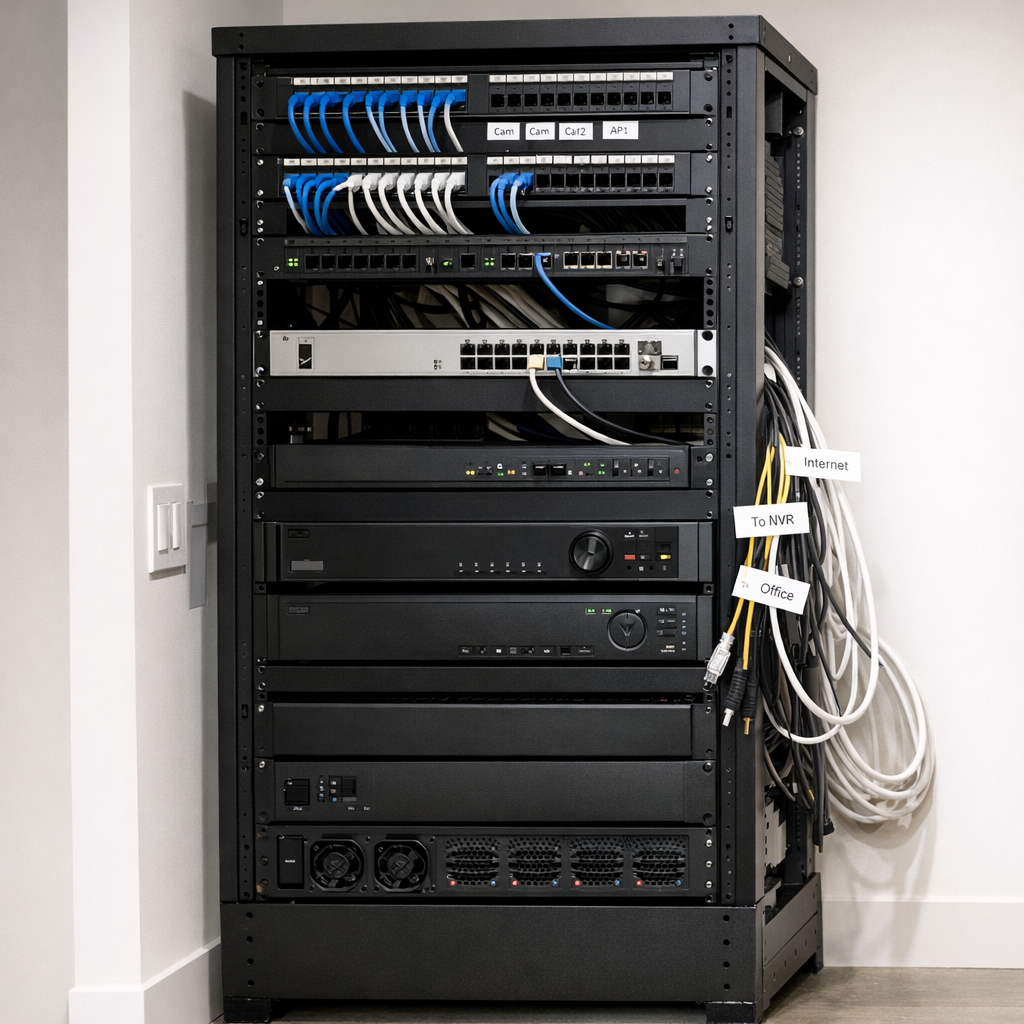
In a local setup, video is usually sent to a DVR or NVR. A DVR is common with older analog-style systems, while an NVR is typical for IP-based cameras. These devices store recordings on hard drives inside the home, which can be useful for continuous recording and long retention. Cloud-based systems, by contrast, send clips or video streams to secure online storage, often making setup and remote access simpler.
Once recorded, footage can be viewed in several ways: on a local monitor, through a web portal, or in a mobile app. That means you can check live video, review past events, and manage settings from almost anywhere. For many homeowners, strong network performance is what makes remote viewing feel smooth and dependable, which is why some installations benefit from whole-home WiFi networking design services.
Smart Features in Modern Systems
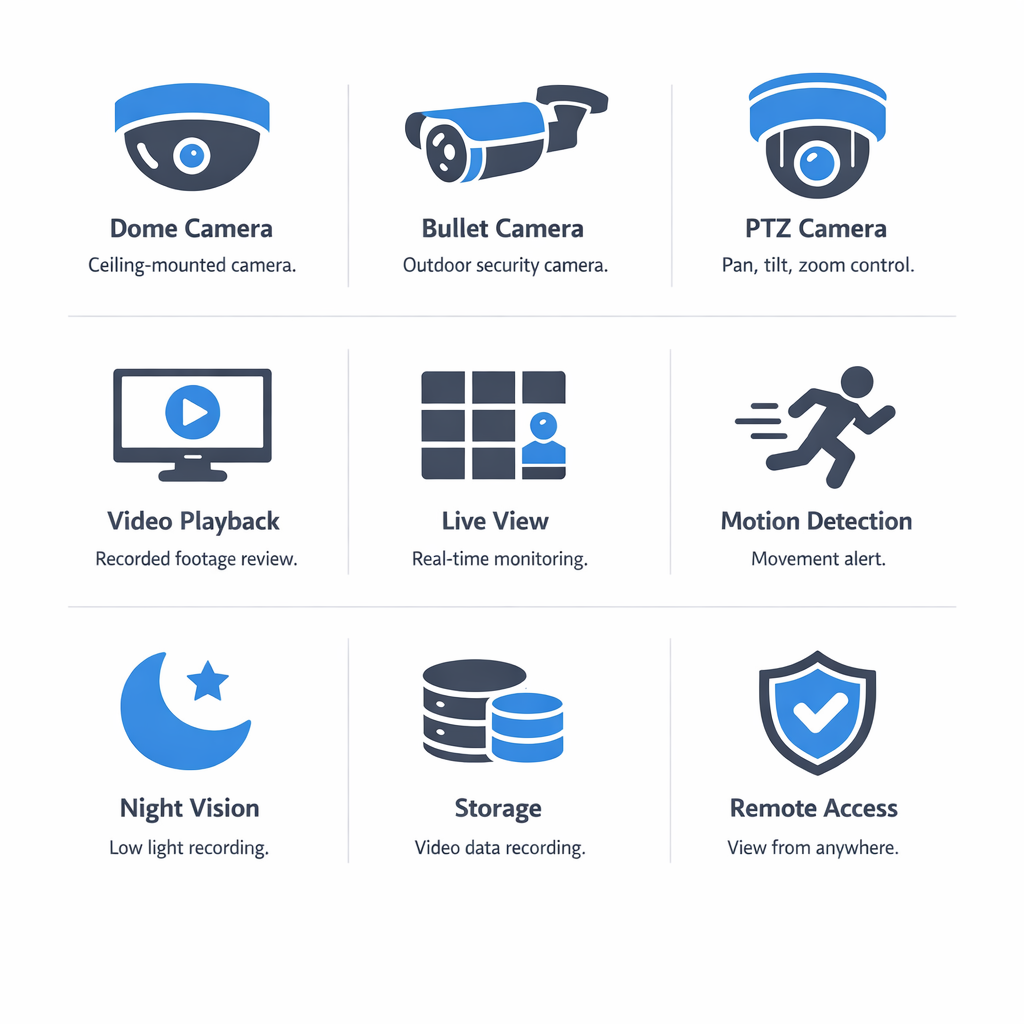
Today’s systems do more than just record. Many cameras include motion detection, person alerts, custom activity zones, and night vision to improve awareness without forcing you to watch video all day. Some models also offer two-way audio, so you can speak to a visitor or delivery driver directly through the app.
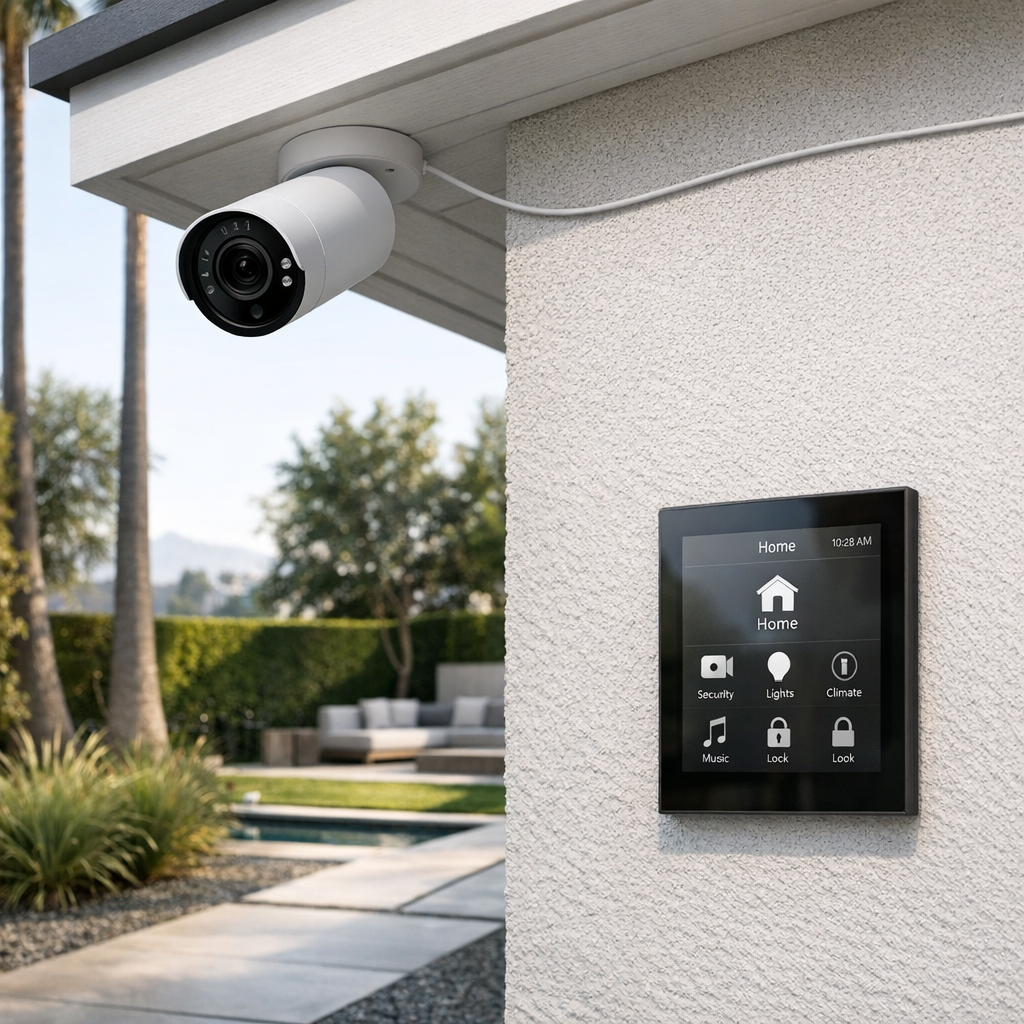
A newer home security camera system may also connect with smart home platforms, lights, locks, and automation routines. For example, a camera can trigger an alert, turn on exterior lighting, and save a clip for later review. That combination of recording, instant notification, and mobile control is what separates modern security cameras from older CCTV systems and helps buyers plan with more confidence.
CCTV vs. IP Cameras vs. Wireless Smart Security Cameras
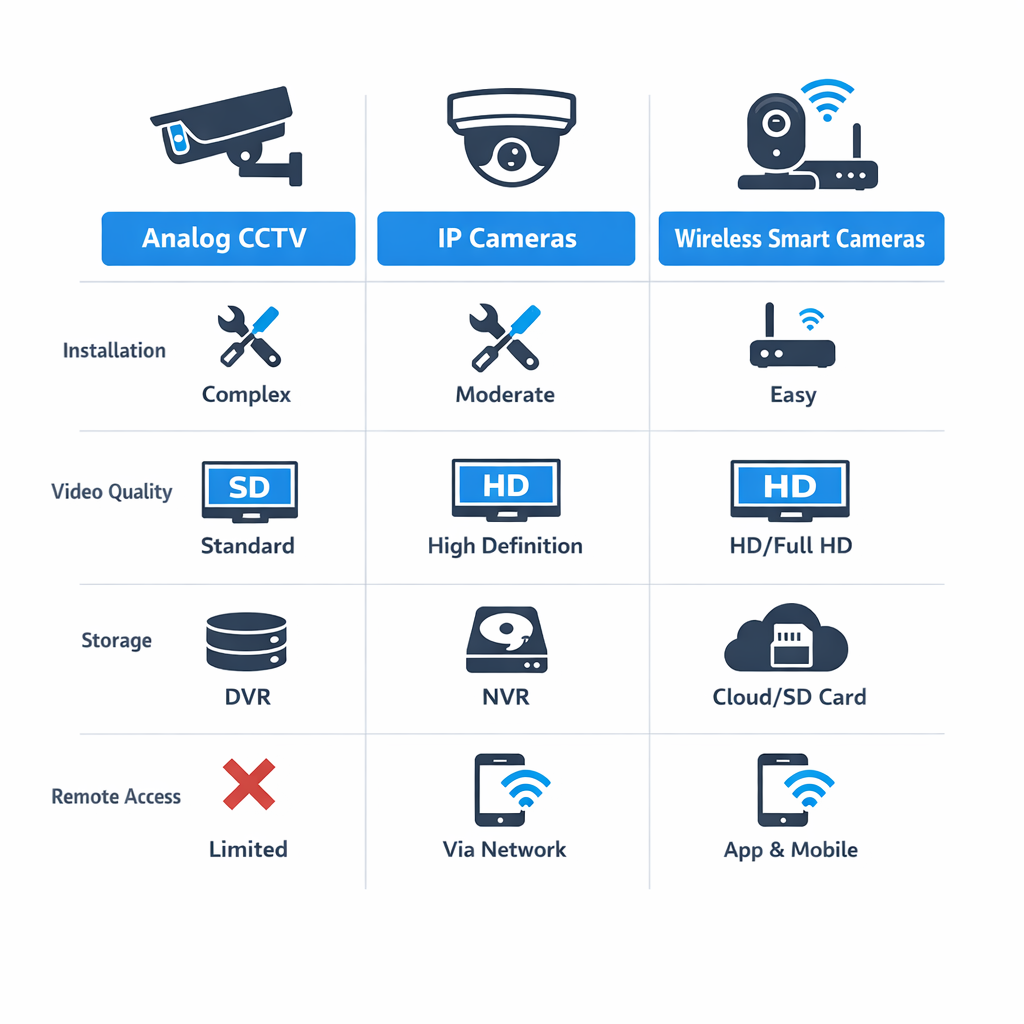
Homeowners often use terms like CCTV, security cameras, IP cameras, and wireless cameras interchangeably, but they do not always mean the same thing. In simple terms, CCTV usually refers to a closed-circuit video system, often associated with traditional analog setups. IP cameras are digital cameras that send video over a network. Wireless smart security cameras are usually a type of IP camera that connects through WiFi and often includes app-based controls, cloud storage, and remote viewing.
Analog CCTV and IP Camera Differences
Analog CCTV cameras typically use coaxial cabling and connect to a DVR. They are often valued for stable performance, straightforward recording, and lower upfront equipment costs in some installations. However, they can be more limited when it comes to resolution, advanced analytics, and long-term expandability.
IP camera systems connect through a network and usually record to an NVR or other digital storage platform. They generally offer higher image quality, easier remote access, and better scalability if you want to add more cameras later. They can also support features like motion alerts, smart detection, and flexible integration. The tradeoff is that setup may be more technical, and performance depends more on network quality and proper configuration.
Where Wireless Systems Fit In
Wireless smart security cameras fit under the broader digital camera category, even though many people still casually call them CCTV. These systems are popular for homes because they are flexible, easier to place, and convenient for mobile monitoring. Many support cloud platforms, app notifications, and simple self-installation.
The main tradeoffs are reliability and power planning. Wireless cameras depend on WiFi strength, and some models rely on batteries that need charging or replacement. For homeowners comparing options, analog CCTV can be dependable and familiar, IP systems often provide the best mix of quality and upgrade potential, and wireless smart cameras offer convenience and flexibility. The right term depends on the technology, but the best choice depends on your home layout, monitoring needs, and how much control you want over storage, access, and future expansion.
Why CCTV Systems Still Matter for Home Security
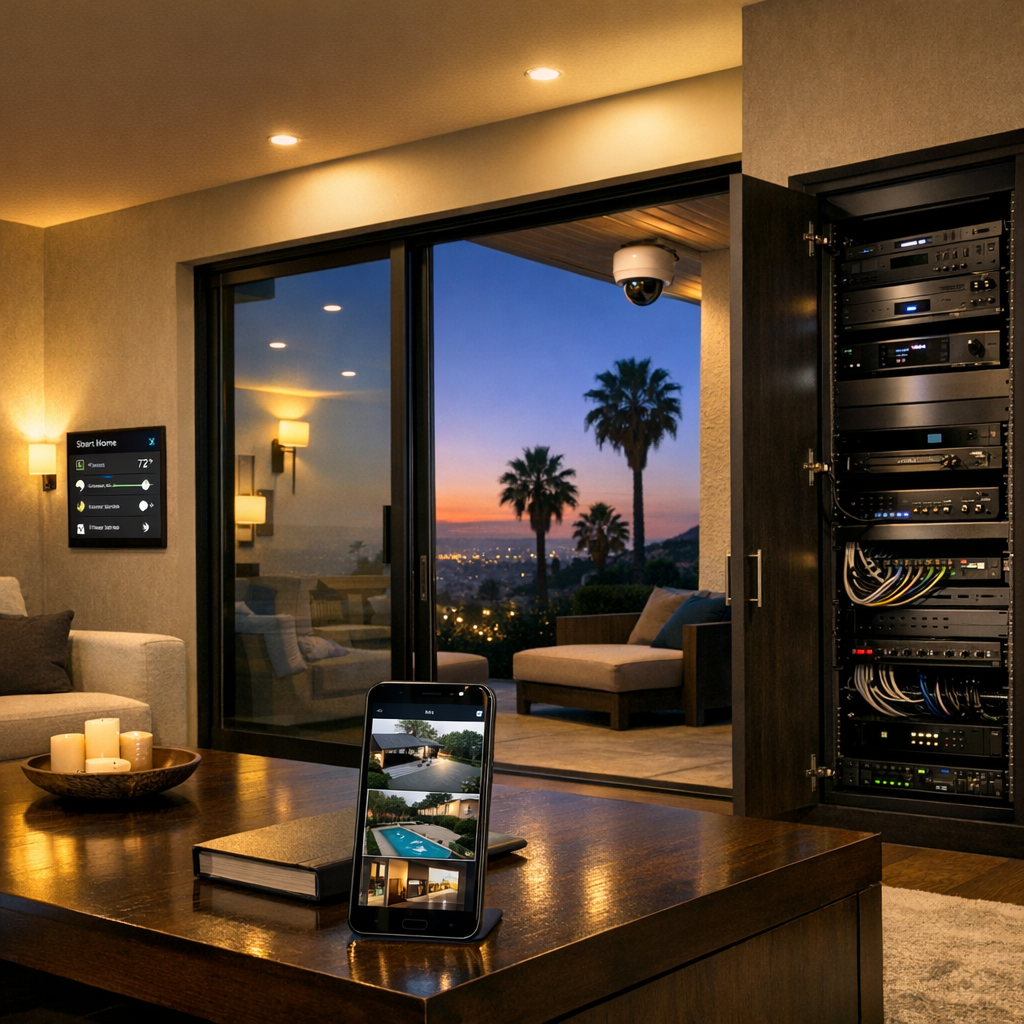
CCTV is still a familiar term because the core benefits remain highly relevant for homeowners: better awareness, stronger deterrence, and more day-to-day confidence. Whether you are comparing affordable security cameras or planning a fully integrated home security camera system, cameras help you keep an eye on what matters most without making security feel complicated.
Visible cameras can discourage unwanted activity before it starts, which is one of the biggest reasons people continue to invest in them. If something does happen, recorded footage can help you review events clearly, from a suspicious visitor to a missed delivery or activity around your driveway. That combination of prevention and evidence capture gives homeowners practical value, not just extra technology.
Deterrence and Peace of Mind
For many families, the real benefit is peace of mind. You can check on packages, confirm that kids arrived home, or see whether a gate was left open. A professionally planned setup, including expert home security camera installation, can also improve coverage and make the system easier to use every day.
Convenience in a Connected Home
Modern camera systems also fit naturally into smart home living. Remote check-ins from your phone, motion alerts, and connections with lighting, alarms, gates, and control apps make security feel more seamless. For some homes, affordable security cameras are the right starting point. For others, premium integrated systems offer a smoother experience across the whole property. In both cases, cameras support a safer, more connected lifestyle.
What Affects CCTV Installation Cost
CCTV installation cost can vary widely because the final scope depends on the equipment you choose and the complexity of the property. Rather than focusing on one-size-fits-all pricing, it helps to look at the main variables that shape the total investment. For many homeowners, the biggest cost drivers are the number of cameras, the level of image quality, whether the cameras need night vision or advanced detection features, and how footage will be stored.
Hardware and Feature Choices
A basic setup with fewer cameras and standard recording features will usually cost less than a system designed for broader coverage and sharper detail. Higher-resolution cameras, longer retention through local or cloud storage, mobile app controls, smart alerts, and integration with other home technology can all affect the hardware side of the budget. DIY products may appear less expensive upfront, but they do not always deliver the same reliability, coverage planning, or long-term performance as a professionally designed system.
Installation and Infrastructure Factors
Installation labor is a separate part of the cost. Wiring paths, outdoor mounting points, access to power, recorder placement, and the difficulty of hiding cables can all increase project scope. A dependable security camera system also relies on strong network performance and smart placement strategy, especially for connected features and remote access. If your home needs strong home network installation support, that can be an important part of the overall plan. A tailored consultation helps match the system to your layout, security priorities, and infrastructure instead of paying for equipment that is not the right fit.
How to Choose the Right CCTV or Home Security Camera System
Choosing the right system starts with a simple checklist: what you need to see, how reliable the connection must be, and whether you may expand later. If you are comparing options now, this is where custom security camera installation solutions become easier to evaluate.
1. Define What You Want to Monitor
Map out entry doors, driveways, garages, side yards, package drop areas, and key indoor common spaces. This helps you estimate camera count, viewing angles, and whether you need wide coverage or close detail for faces, plates, or deliveries.
2. Match the Technology to the Home
Choose wired systems when reliability is the top priority, especially for larger properties. IP cameras offer strong flexibility, higher-resolution options, and easier integration with networks and apps. Wireless smart security camera setups can work well for convenience, but performance depends heavily on Wi-Fi strength, placement, and power planning.
3. Plan for Future Expansion
Before you buy, think beyond today. Check storage options, remote app access, night performance, and whether the system can grow with added cameras, smart lighting, gates, or broader home automation. A scalable setup saves time and avoids replacing equipment too soon.
Common CCTV Terms You May See While Shopping
Quick Definitions
- DVR
- A Digital Video Recorder used with many wired analog camera systems to store footage.
- NVR
- A Network Video Recorder that works with IP cameras and records video over a network.
- Field of View
- How wide an area the camera can see at once. A wider view covers more space but may show less detail far away.
- Motion Zones
- Custom areas where the camera looks for movement, helping reduce alerts from streets, trees, or sidewalks.
- Cloud Storage
- Video saved online, usually through a subscription, so clips can be viewed remotely.
- Local Storage
- Footage saved on-site, such as on a hard drive, DVR, NVR, or memory card.
- Night Vision
- A camera feature that helps capture video in low light or darkness, often using infrared LEDs.
Frequently Asked Questions About CCTV Meaning
What does CCTV mean in simple terms?
CCTV stands for closed-circuit television. In simple terms, it means a private video system used to watch, record, and review activity for security or monitoring purposes.
Is CCTV the same as a security camera?
Often, yes—people commonly use CCTV to describe security camera systems. More accurately, CCTV is a broader term, while a security camera can refer to newer digital, wired, or wireless systems that do not always use traditional closed-circuit setups.
Do wireless cameras count as CCTV?
In everyday conversation, many people call wireless cameras CCTV. Technically, wireless cameras may use different technology than older analog closed-circuit systems, but the term is still widely used as a general label for video surveillance.
Does a CCTV system need internet?
No, a CCTV system can work without internet if it records locally to a DVR, NVR, or other on-site storage. Internet is usually only needed for remote viewing, cloud backups, phone alerts, or app-based access.
What is the difference between CCTV and IP cameras?
Traditional CCTV often refers to analog camera systems connected through a closed circuit. IP cameras are digital cameras that send video over a network and usually offer higher resolution, easier remote access, and more advanced smart features.
When It Makes Sense to Talk to a Professional
Why Expert Planning Helps
If your property has a complex layout, outdoor coverage concerns, tricky recorder placement, smart home integration needs, or network reliability issues, professional guidance can be worthwhile. Camera placement, wiring paths, storage setup, and overall system design all affect how well a security camera system performs day to day. A tailored plan can help you avoid blind spots, reduce unnecessary equipment, and build a setup that fits how you actually use your space.
Contact the Team
If you want help choosing, upgrading, or installing a system, Smart Home LA can provide clear recommendations based on your home, goals, and performance priorities.
Final Takeaway on CCTV Meaning
CCTV meaning is simple: it stands for closed-circuit television. At its core, the term refers to a video system that sends footage to a limited set of monitors, devices, or users rather than broadcasting it publicly. That basic definition still matters, even though modern systems now include far more than traditional analog camera setups.
What to Remember
Today, people often use CCTV as a broad label for many kinds of security camera systems, including IP cameras, remote viewing tools, smart alerts, and integrated monitoring platforms. In other words, the name has stayed familiar while the technology has evolved significantly.
The key takeaway is to focus less on terminology alone and more on what the system can actually do for your property. Performance, coverage, recording quality, and integration are what matter most when choosing the right solution.