
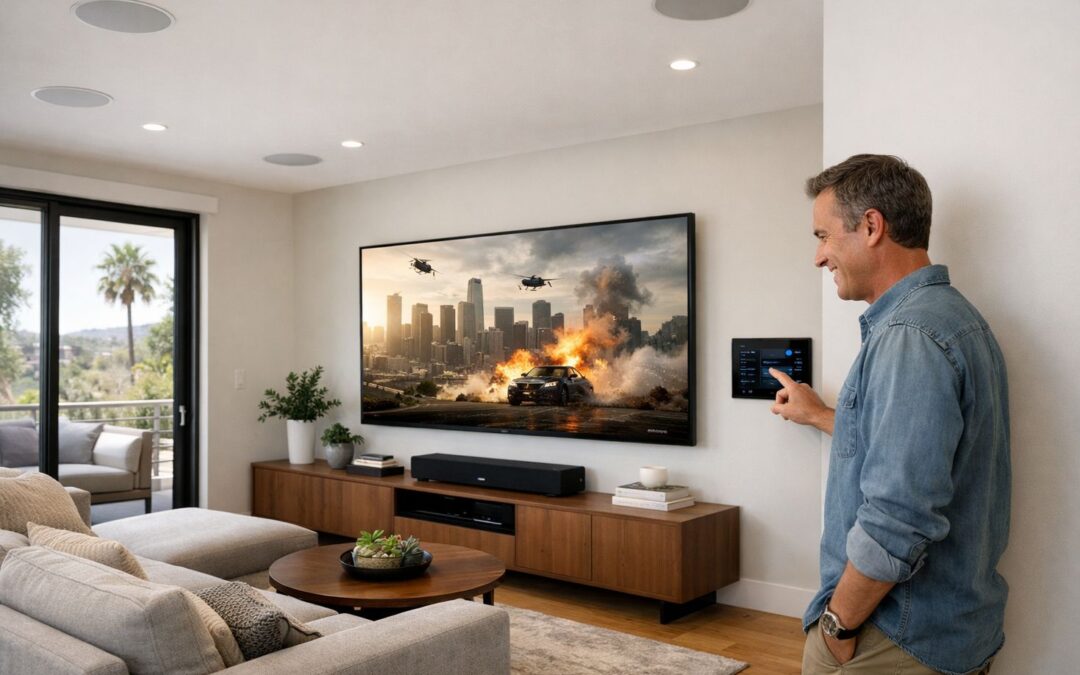
A home theater forum is often one of the first places homeowners turn when they start planning a better entertainment setup. It makes sense: forums can help you compare speakers, learn the basics of Dolby Atmos, and see how other people solved problems like messy wiring, awkward room layouts, or confusing remote control options. For many readers in Los Angeles, that early research is useful because it builds confidence before any equipment is purchased.
What most people are really looking for is practical guidance they can trust. They want better sound, cleaner installation, simpler control, and reassurance that they are choosing the right components for the space they have. Forum discussions can absolutely help narrow options and highlight common mistakes, especially when comparing brands, screen sizes, speaker placement, and rack organization.
At the same time, online advice is only a starting point. What works in one room may not work in another, and real-world results depend on construction type, wiring paths, seating position, lighting, and calibration as much as the gear itself. That is why forums are valuable for research, but thoughtful design and installation are what turn ideas into a system that actually performs well at home.
What a Home Theater Forum Can Help You Learn
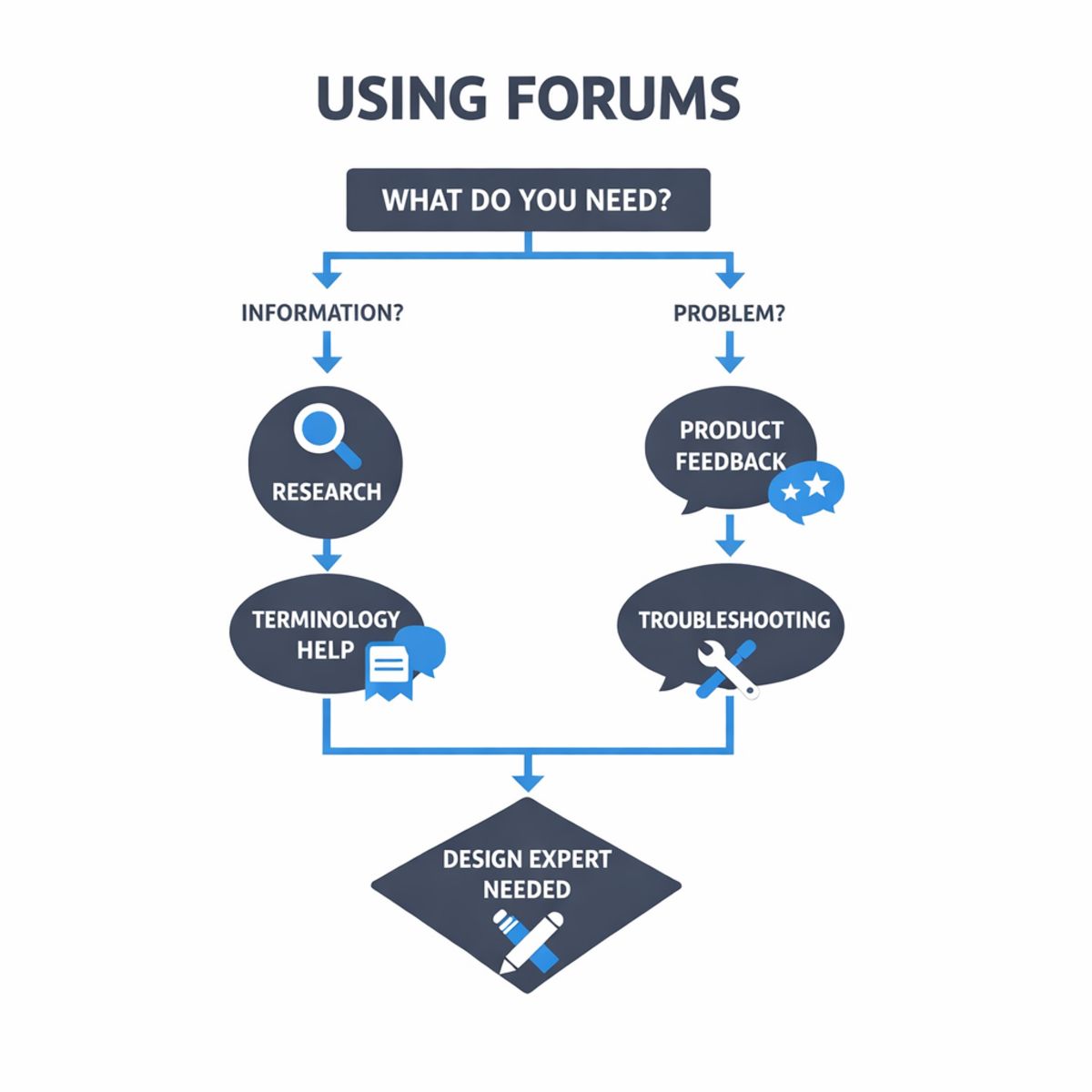
A home theater forum is a community where people compare equipment, discuss room layouts, share calibration tips, and troubleshoot issues they run into during setup. For homeowners, forums can be a practical place to research speakers, AV receivers, projector versus TV choices, seating distance, acoustic treatment, and wiring basics before making bigger decisions.
These discussions are especially useful for broad research. You can learn common terminology, see how real users describe product strengths and weaknesses, and spot patterns in feedback across different budgets. Some people also browse home theater reddit for faster opinions, while more advanced home theater threads often go deeper into measurements, signal paths, and calibration details that may assume a higher level of technical knowledge.
Common topics discussed in forums
Forum threads often answer questions like which receiver pairs well with certain speakers, whether a projector makes sense in a bright room, how far seating should be from the screen, or what kind of sound treatment helps reduce echo. They can also help homeowners understand related setup needs, including why strong WiFi matters for streaming, especially when multiple devices are connected in one entertainment space.
Where forum advice has limits
What forums do not do well is replace room-specific design advice. Recommendations can change based on your room dimensions, wall materials, ambient light, furniture layout, and retrofit constraints behind the walls. Community opinions are helpful for narrowing options and learning what questions to ask, but they should be treated as general guidance rather than a guaranteed plan for your exact space.
The Biggest Benefits of Researching Before You Buy
Spending time in forums before buying a home theater system can make the entire process clearer and less stressful. For homeowners, the biggest value is not becoming an expert overnight. It is learning enough to narrow down priorities, understand the language, and avoid impulse purchases that do not fit the room or budget.
Reading real discussions helps you compare speaker types, room goals, and price ranges in a practical way. You start to see whether people with rooms like yours prefer in-wall options, bookshelf models, or a larger surround setup. That kind of early research can also make conversations with home theater installation services in Los Angeles more productive because you already have a shortlist and a better sense of what matters most.
Forums help you ask smarter questions
Forum research builds useful vocabulary without making the process feel overwhelming. After reading a few threads, it becomes easier to ask about channel layouts, speaker placement, streaming habits, control preferences, and whether your network can support the system. Instead of saying you want a “good setup,” you can explain how you use the room and what kind of performance you expect from your home theater speakers.
You can spot common upgrade regrets early
Another benefit is seeing recurring problems before you spend money. Forums often reveal patterns such as underpowered speakers in larger rooms, poor subwoofer placement, unreliable networking, or cluttered control setups that become frustrating every day. Those insights help you create a more realistic shortlist and bring better questions to an installer, which supports smarter planning from the start.
How to Use a Home Theater Forum Without Getting Overwhelmed
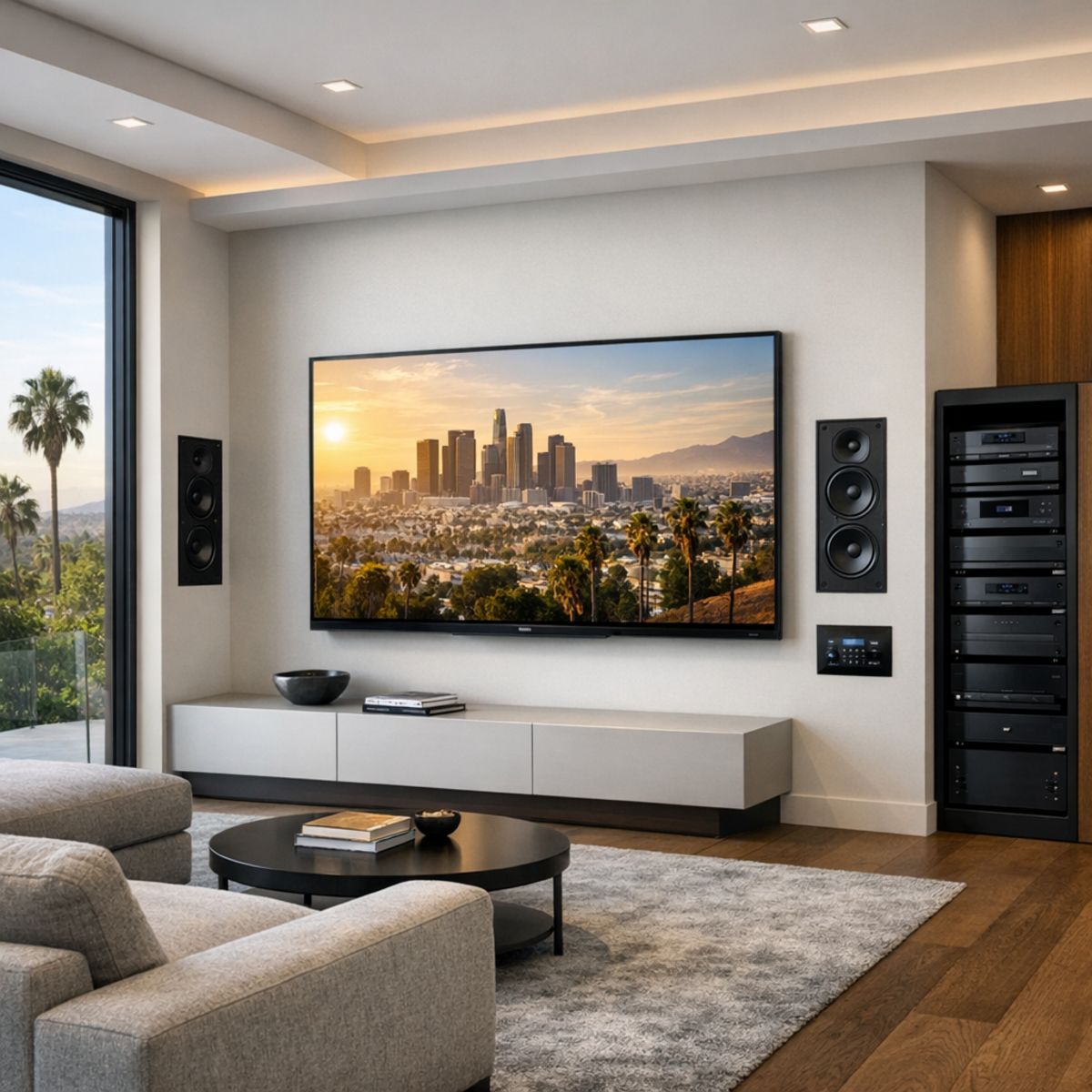
The best way to use a home theater forum is as a research tool, not a place to scroll endlessly. Forums can be incredibly helpful, but they also mix expert advice, personal preference, and expensive hobbyist upgrades into the same conversation. A simple process helps you filter that noise and turn it into a realistic plan for your space.
1. Start with your room and lifestyle
Before reading recommendations, write down your room dimensions, seating distance, lighting conditions, and whether the room is dedicated or multipurpose. Also note what you watch most: movies, sports, gaming, or mixed content. If you want a dolby atmos home theater system, include ceiling height and speaker placement limits so advice stays practical.
2. Look for patterns, not one loud opinion
Search forum threads that match your room size, budget, and use case. Then compare recurring recommendations across multiple discussions. If the same guidance keeps appearing from different members, that is usually more valuable than one confident post pushing a very specific product or upgrade path.
3. Separate essentials from enthusiast extras
Focus first on the core items that shape performance: speaker layout, display size, room acoustics, seating position, and simple control. Treat premium tweaks, niche gear, and constant upgrade suggestions as optional until the foundation is right. This keeps your budget aligned with real performance gains instead of forum-driven impulse buys.
4. Pressure-test the plan before buying
Once you have a shortlist, confirm the practical details: wiring paths, power locations, ventilation, rack space, and network reliability. This is where professional input can save money and frustration. For example, whole-home WiFi design for reliable streaming can matter just as much as the gear itself when building a dependable system.
Forum Advice vs Professional Home Theater Installation
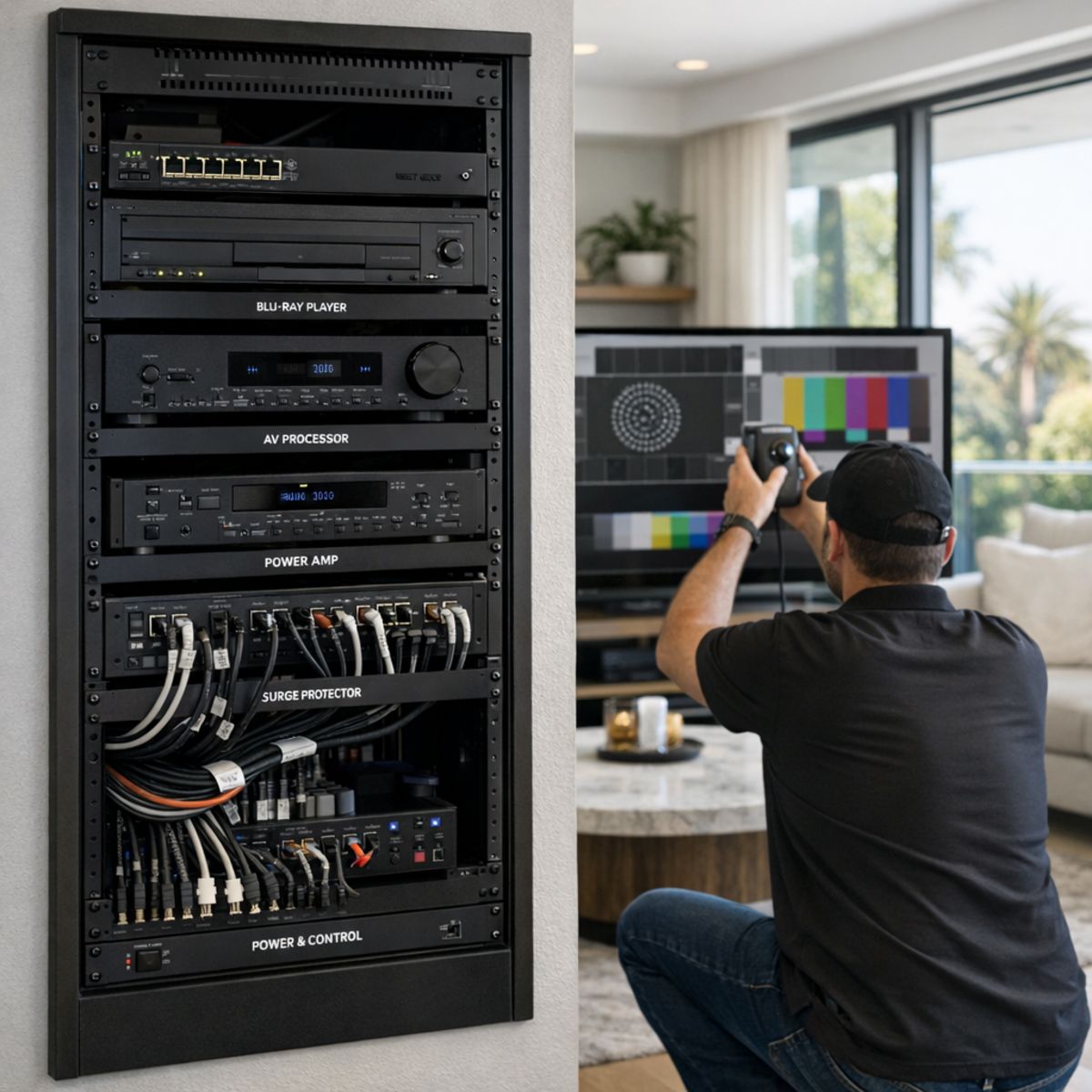
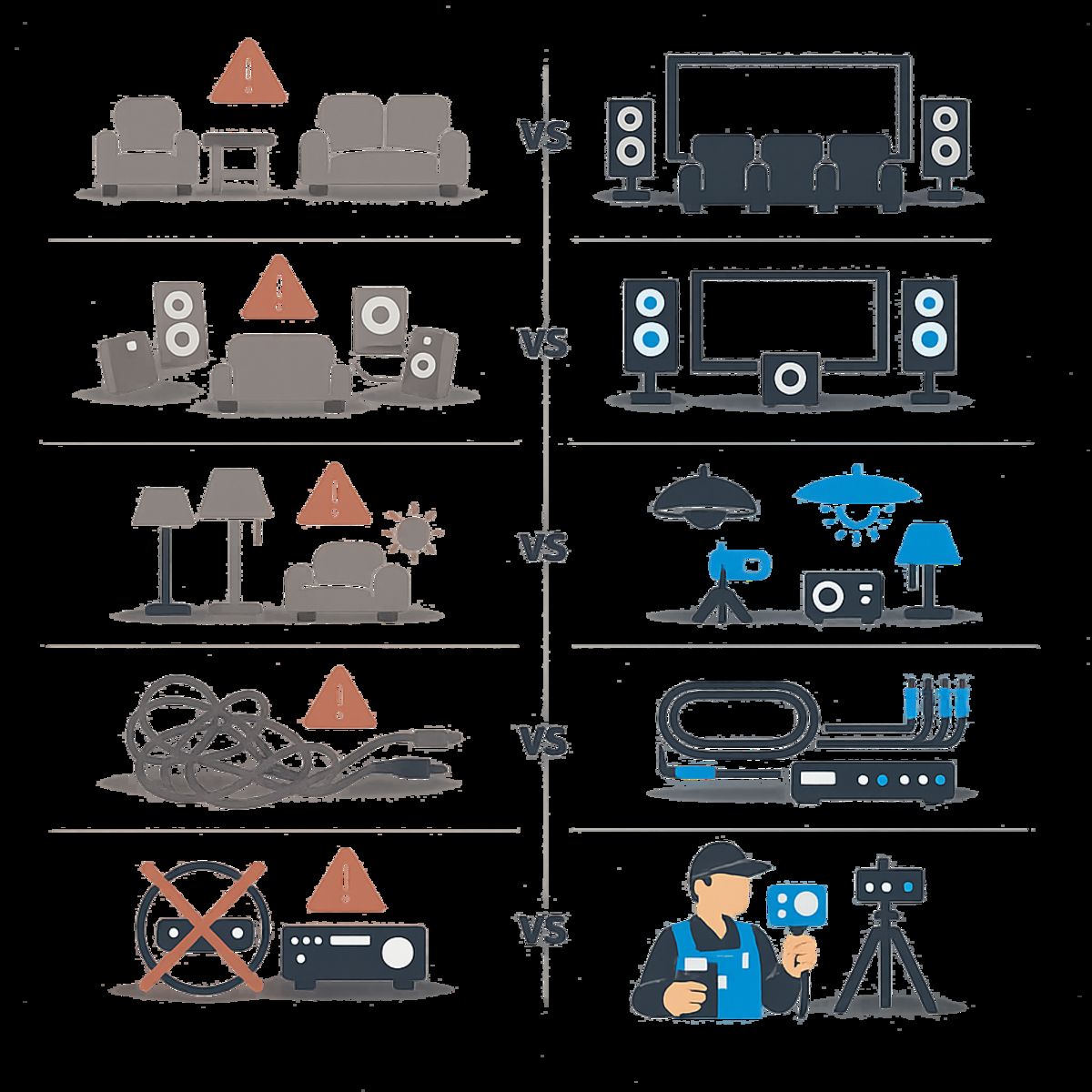
Online forums can be genuinely helpful when you are starting a project. They are great for learning terminology, comparing product categories, and seeing what has worked for other people. The limitation is that forum advice is usually broad, while home theater installation works best when it is tailored to a specific room, layout, and lifestyle. That gap matters in Los Angeles, where one project may involve a clean new build and another may require a careful retrofit in an older home.
Design accuracy
A forum might recommend a popular speaker package or a standard screen size, but it cannot see your ceiling height, seating distance, window placement, or how sound reflects in your room. Professional planning looks at speaker angles, listening position, display size, sightlines, and acoustic behavior before equipment is finalized. That often prevents common DIY mistakes like placing speakers too high, choosing a screen that overwhelms the room, or overlooking network limitations. Even understanding WiFi basics that affect streaming quality can influence how a system performs day to day.
Execution and finish quality
Forums can help you choose gear, but they usually do not solve the practical details that determine whether the system feels polished. Professional installation adds measurable value through clean wiring paths, labeled connections, hidden equipment, proper rack organization, calibration, and control integration. Instead of juggling multiple remotes, unreliable inputs, or visible cable runs, the goal is a system that looks intentional and works consistently. That is especially important in homes where aesthetics matter as much as performance.
A balanced view is that community advice is useful for research, while professional home theater installation becomes the smarter next step when performance, reliability, and finish quality matter. The difference is not just better gear selection. It is the ability to design around the room, execute neatly, and create a system that fits how the household actually watches, listens, and lives.
Common Mistakes People Make After Reading Forum Threads
Forum threads can be useful, but they often mix expert-level advice with one-off room conditions. A setup that sounds amazing in a dedicated media room may not work in a typical Los Angeles living room. That is why custom home theater planning in Los Angeles matters before you buy equipment.
Some of the most common mistakes include choosing oversized speakers for the room, ignoring acoustics, underestimating wiring paths, and skipping control planning. People also assume a home sound system for casual listening should be designed the same way as an advanced home theater, when the goals are usually very different.
Copying someone else’s setup exactly
What works in a forum post may depend on ceiling height, wall materials, seating distance, and furniture layout. Copying specs without matching the room can lead to harsh sound, poor bass balance, or speakers that visually overwhelm the space.
Forgetting the everyday user experience
Performance is only part of the experience. If source switching is confusing, lights are too bright, or everyone needs three remotes, the system becomes frustrating fast. Easy control and thoughtful planning often matter just as much as raw equipment quality.
- Do not size speakers by hype alone; size them for the room.
- Do not ignore acoustics and placement.
- Do not assume wiring is simple after construction is finished.
- Do not skip control planning for lights, audio, and sources.
- Do not confuse a casual home sound system with a full advanced home theater design.
What Forum Research Can and Cannot Tell You About Cost
Forum discussions can be helpful for spotting trends, but they rarely reflect the full cost of a finished project. Many online budget conversations focus on equipment alone, such as speakers, displays, receivers, or projectors, without accounting for the work required to make everything perform properly in a real home.
In practice, installation cost depends on scope, room conditions, and how integrated the system needs to be. Labor, wiring access, mounting, acoustic treatment, control systems, networking, and calibration can all shape the final investment. In Los Angeles homes, construction style, retrofit complexity, and finish expectations can also influence what is involved.
Equipment price is only part of the picture
A lower product price does not always mean a lower overall project cost, and a higher-quality system may deliver better long-term value through reliability, ease of use, and performance. Rather than comparing isolated product prices from forums, it is more useful to think in terms of total system value and the specific goals of your space. If you are exploring options like home theater installation in Beverly Hills, the best budget framework is one built around your room, priorities, and desired experience.
Frequently Asked Questions About Home Theater Forums
Is a home theater forum a good place to start planning a system?
Yes. A home theater forum is a useful place to learn basic terms, compare equipment options, and see how other people approach similar goals. It is best for research, but it should not replace room-specific design if you want the system to perform well in your actual space.
What is the difference between a home theater forum and home theater reddit?
Forums usually offer deeper archived discussions, longer build threads, and more organized categories. Reddit is often faster, more conversational, and easier for quick opinions, but the advice can be less structured and harder to revisit later.
Can forum advice help me choose a Dolby Atmos home theater system?
Yes, forum advice can help you understand common Dolby Atmos layouts, equipment types, and budget ranges. However, speaker placement, ceiling conditions, seating position, and room dimensions still matter, so the best choice depends on how your room is built and how you plan to use it.
When should I stop researching online and talk to an installer?
A good time is when you already have a rough budget, clear goals, and a shortlist of ideas. At that point, a professional can tell you what is realistic for your room, help you avoid expensive mistakes, and turn general online advice into a practical plan.
Turn Forum Research Into a Theater That Actually Works
If you have ideas saved from forums, screenshots of setups you like, or a wish list for your space, Smart Home LA can help turn that research into a home theater plan that fits your room and goals in Los Angeles. Our team helps with system design, wiring, speaker placement, control, and calibration so the final result feels polished, reliable, and easy to use.
Bring your ideas to the experts
Share what you have in mind, and we’ll help you sort through the options with clear guidance and professional execution.
Final Takeaway
Home theater forums can be a great place to compare ideas, learn from other setups, and spot common mistakes before you buy. They are especially useful during the research phase, when you are narrowing down products, layouts, and performance expectations.
At the same time, the best results rarely come from copying someone else’s system exactly. Room size, acoustics, wiring paths, seating distance, lighting, and daily use all affect what will actually work well in your home. That is why online advice is most valuable as a starting point rather than a final blueprint.
Research smarter, build better
If you use forum insights to ask better questions and combine that research with thoughtful planning, you will be in a much stronger position to create a system that looks clean and performs the way you want. For homeowners who want that extra confidence, Smart Home LA brings local experience that helps turn good ideas into a setup that fits the room from the start.